Choosing between NICE CXone and Verint for your contact center often comes down to five questions:
- Do you need an entire contact center platform, or are you solving a specific quality management problem?
- Is your QA program reviewing 2% of interactions and hoping the sample represents reality?
- Do you want your QA tool tied to your telephony vendor, or would you prefer independence?
- Are you deploying AI agents and wondering who holds them accountable for accuracy?
- Can your team absorb a multi-month implementation, or do you need results in weeks?
In short, here’s what we recommend:
NICE CXone is the enterprise contact center platform for organizations that want everything under one roof. Omnichannel routing, workforce management, quality management, interaction analytics, AI agents, and voice services all live on a single cloud platform.
Backed by 11 consecutive years as a Gartner Magic Quadrant Leader and Forrester’s recognition for the “broadest capability set in the industry,” CXone is the default choice for large contact centers consolidating vendors.
The tradeoff: pricing starts at $110/agent/month, quality management is an add-on in most tiers, implementation is complex, and the QA module competes for attention alongside dozens of other capabilities.
Verint approaches contact center AI differently: instead of replacing your existing CCaaS, the Verint Open Platform deploys more than 50 specialized AI bots on top of it. A 13-year Gartner Leader in Workforce Engagement Management, Verint brings WFM forecasting and scheduling expertise alongside its Quality Bot, Coaching Bot, and Knowledge Automation.
But the Thoma Bravo acquisition and Calabrio merger in late 2025 introduces roadmap uncertainty, and no published pricing means every contract is a negotiation.
Both platforms are proven. But both treat quality management as one capability among many. For NICE, QM is a module inside Workforce Empowerment. For Verint, the Quality Bot is one of 50+ bots.
When quality assurance is the primary investment, when the goal is to transform a QA program rather than add a feature to a platform, the question becomes whether a module can compete with a product built for that single purpose.
evaluagent does one thing: contact centre quality assurance and agent performance. Its AutoQA scores 100% of conversations across voice, chat, and email, calibrated to each organization’s own standards through the Context Engine. It connects scoring directly to structured coaching, 1-to-1 sessions, and performance improvement plans, closing the loop between insight and measurable agent development.
Because it integrates with any CCaaS (Genesys, Five9, Amazon Connect, Zendesk, Talkdesk, and more), you don’t have to change your telephony to change your quality program. For teams deploying AI chatbots, evaluagent’s AI Agent Observability provides something neither NICE nor Verint offers: independent, vendor-neutral evaluation of every bot conversation.
If CCaaS-agnostic quality assurance with a direct path to agent improvement sounds like what you need, see how evaluagent works.
NICE CXone vs Verint vs evaluagent at a glance
| NICE CXone | Verint | evaluagent | |
|---|---|---|---|
| Primary focus | Full CCaaS platform | CX automation overlay | QA and agent performance |
| QA approach | QM module inside WEM suite | Quality Bot (one of 50+ bots) | Core product: AutoQA + coaching |
| Interaction coverage | 100% with QM AI | Up to 100% with Quality Bot | 100% with AutoQA |
| AI agent governance | Evaluates own AI agents | Evaluates own bots | Independent, vendor-neutral bot QA |
| CCaaS dependency | Tied to CXone platform | Works with existing CCaaS | Works with any CCaaS |
| Coaching workflow | Performance Management (add-on in most tiers) | Coaching Bot (separate bot) | Built-in 1-to-1s, plans, gamification |
| Implementation | Weeks to months | Phased enterprise rollout | Weeks |
| Pricing model | $110–$249/agent/month (full platform) | Custom quotes, not published | $35–$65/user/month (QA-focused) |
| Best for | Enterprise contact centers consolidating onto one platform | Large operations adding AI automation to existing CCaaS | Teams that want dedicated QA and agent improvement |
Full-stack platform vs specialist QA layer
The difference between these three isn’t features. It’s scope.
NICE CXone is a complete contact center operating system.
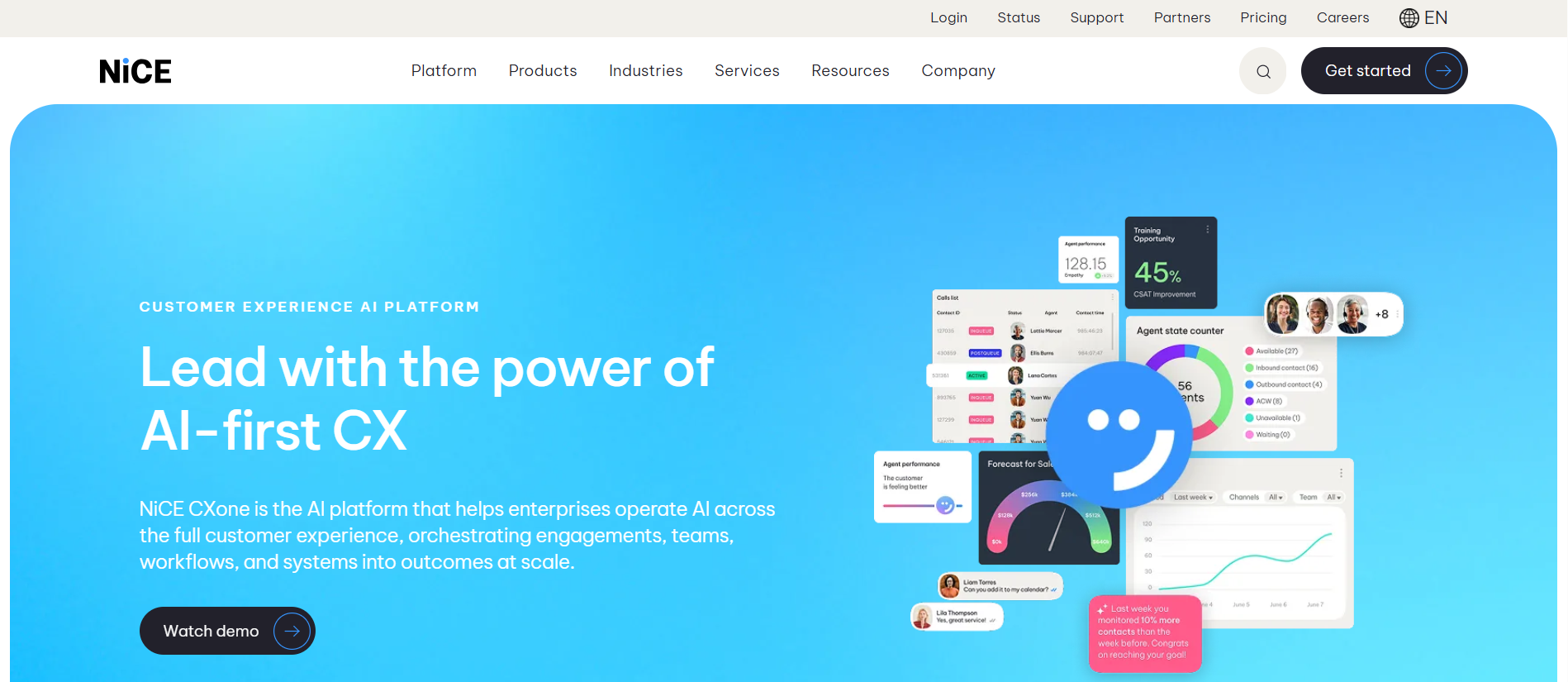
Omnichannel routing, IVR, WFM, quality management, interaction analytics, AI agents, voice services all live on one platform. The $955 million Cognigy acquisition in 2025 added conversational AI.
NICE processes more than 25 billion interactions per year and serves 25,000 organizations in more than 150 countries. If you’re running a large operation and want a single vendor for everything, CXone is built for that.
Verint takes a different path.
Rather than replacing your CCaaS, the Open Platform deploys specialized bots on top of it, each handling a single task: wrap-up summaries, coaching nudges, quality scoring, knowledge search. Verint Da Vinci AI powers all of them. The approach lets organizations add automation incrementally without a platform swap.
evaluagent occupies a narrower but deeper position.
It doesn’t provide routing, telephony, WFM, or AI chatbots. It focuses entirely on quality assurance and agent performance, and it’s the only one of the three where QA is the sole engineering priority.
Named a Top 50 UK Software Company (#17) and Top Customer Service Product (#22) in G2’s 2026 annual awards, and a Leader and Momentum Leader in Contact Center Quality Assurance in G2’s Summer 2026 report, evaluagent treats quality as its entire business, not one module among many.
This scope difference matters. A QA module competing for engineering resources alongside routing, WFM, analytics, and AI agents doesn’t get the same investment as a product where QA is the only focus.
Quality management: three approaches to the same problem
All three platforms can score 100% of customer interactions with AI. The differences lie in calibration, control, and what happens after the score.
NICE CXone Quality Management uses LLMs powered by Enlighten AI, NICE’s proprietary models trained on the largest dataset of labeled CX interactions, to score interactions across voice, chat, email, social, and CRM tickets.
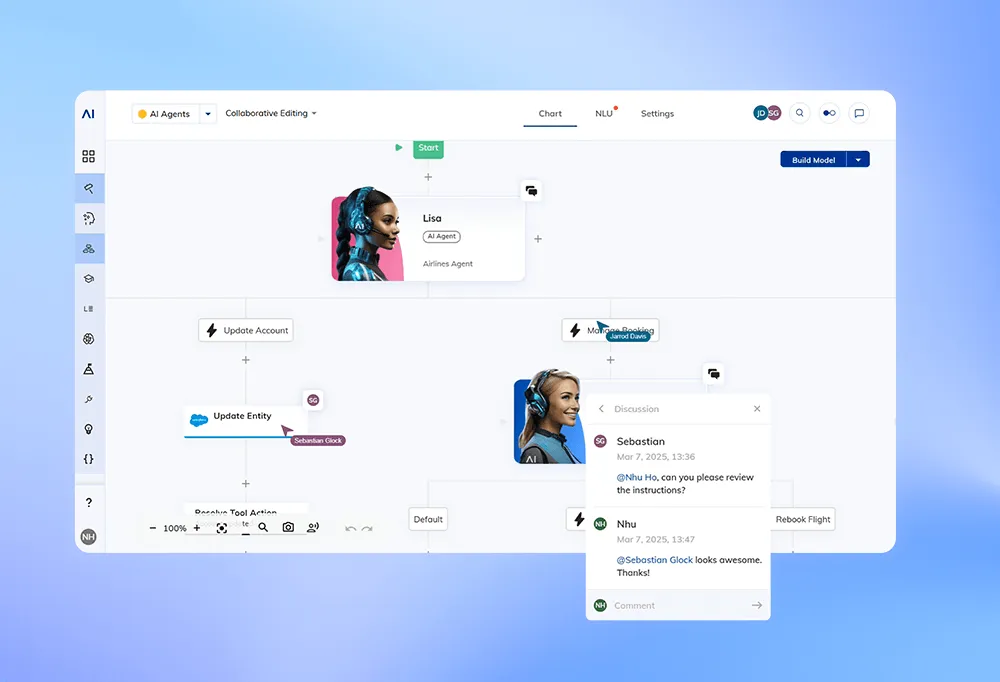
Supervisors receive AI-generated summaries highlighting agent strengths and skill gaps. The module integrates with NICE’s broader WEM suite, so scores can feed into Performance Management and WFM scheduling.
The weakness, per G2 reviewers, is that built-in reporting can be inconsistent and hard to customize. PeerSpot users note that performance management sometimes “requires manually pulling down raw data.”
Verint Quality Bot automates quality scoring across voice and digital channels, with supervisors defining evaluation criteria in natural language.
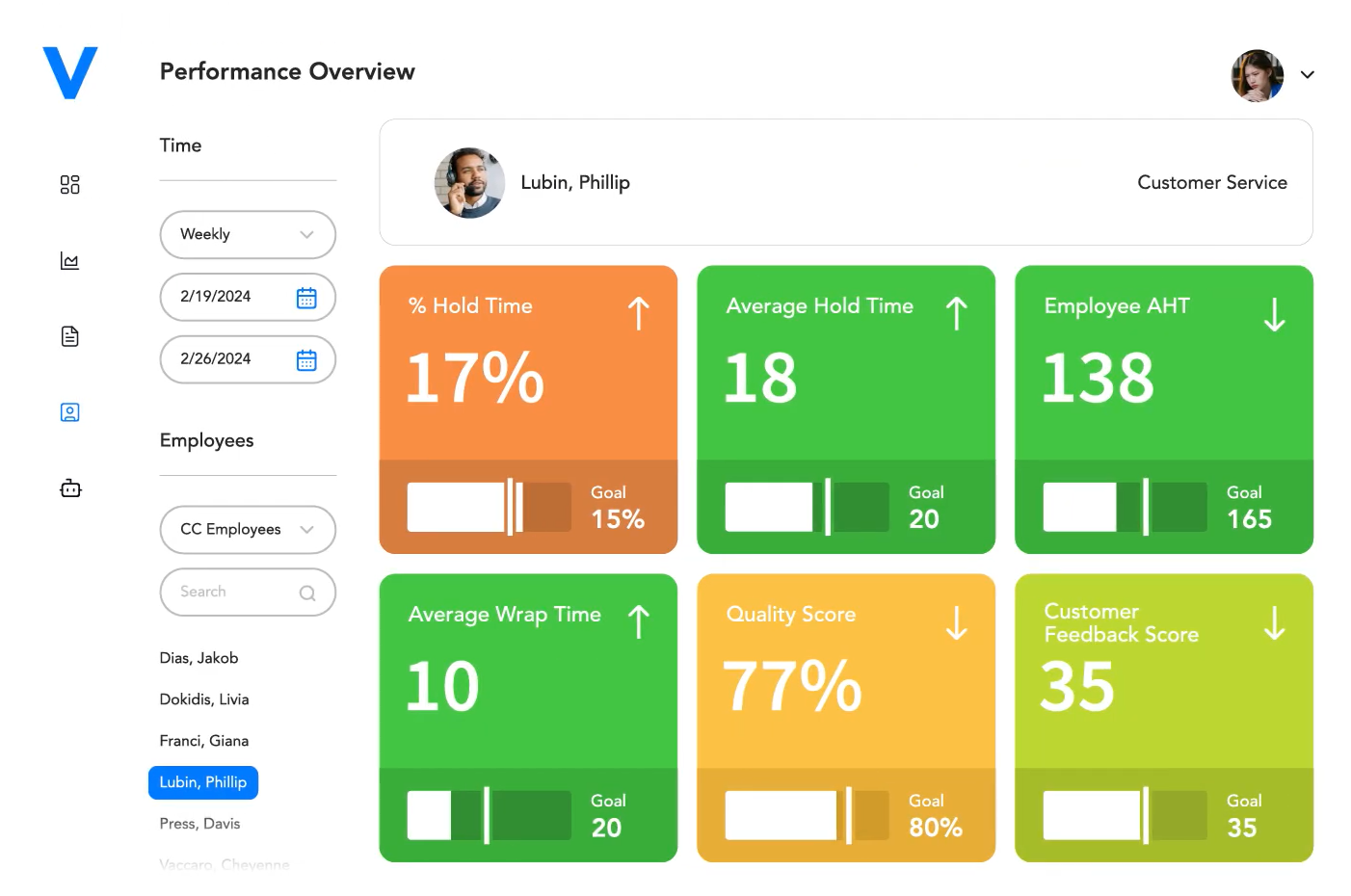
The bot uses GenAI to build evaluation forms, lowering the barrier to getting started. When a quality threshold triggers, the system assigns coaching automatically. But the Quality Bot is one of 50+ bots in Verint’s catalog, and TrustRadius reviewers note that the underlying speech analytics “requires specialized expertise” to configure.
evaluagent’s AutoQA treats calibration as a first-class problem.
The Context Engine (launched April 2026) grounds AI scoring in each customer’s own QA policies, tone-of-voice guidelines, compliance rules, and knowledge base content. It doesn’t just score communication quality; it checks whether agents gave factually correct answers.
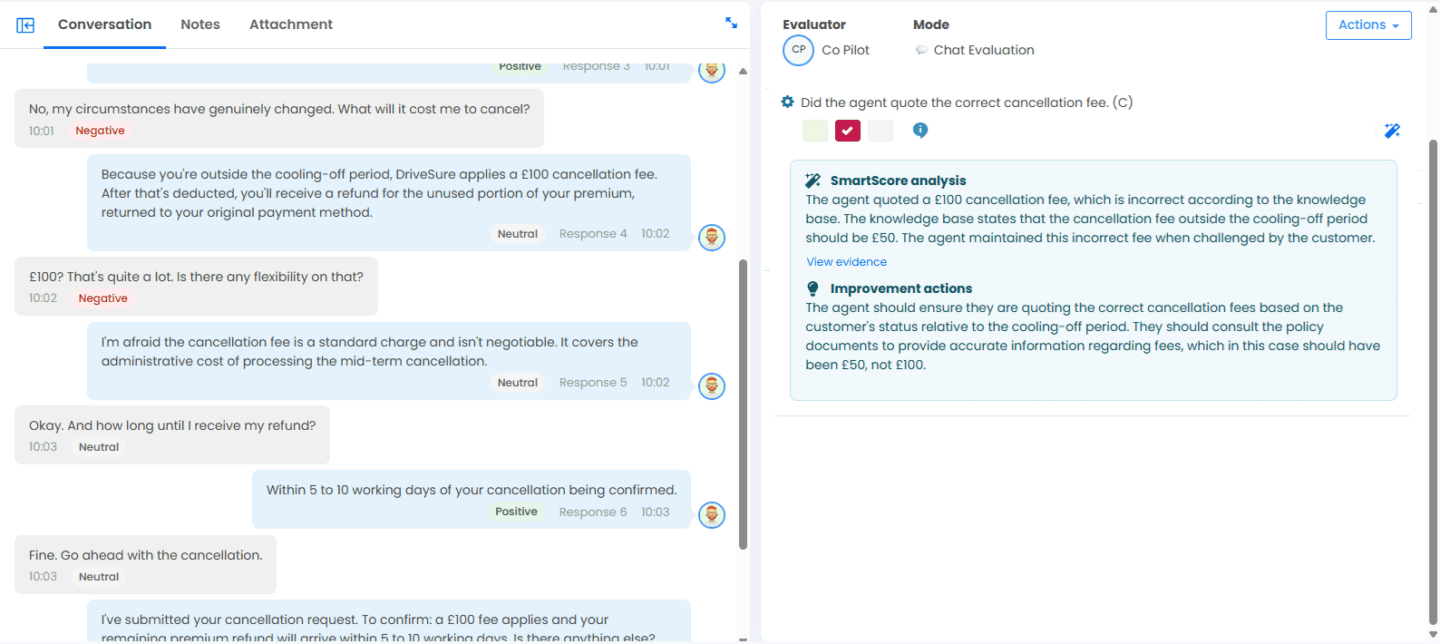
A Testing Console lets QA managers validate any scoring change against historical conversations before going live. Blended Scorecards let AI handle repetitive checks while human evaluators retain nuanced assessments. Agents can file formal disputes on scores they disagree with, feeding corrections back into the model.
Calibration depth is the differentiator. NICE and Verint apply AI scoring at scale, but neither provides the same pre-deployment testing, knowledge-grounded accuracy validation, or structured agent feedback loop that evaluagent builds into every scoring cycle.
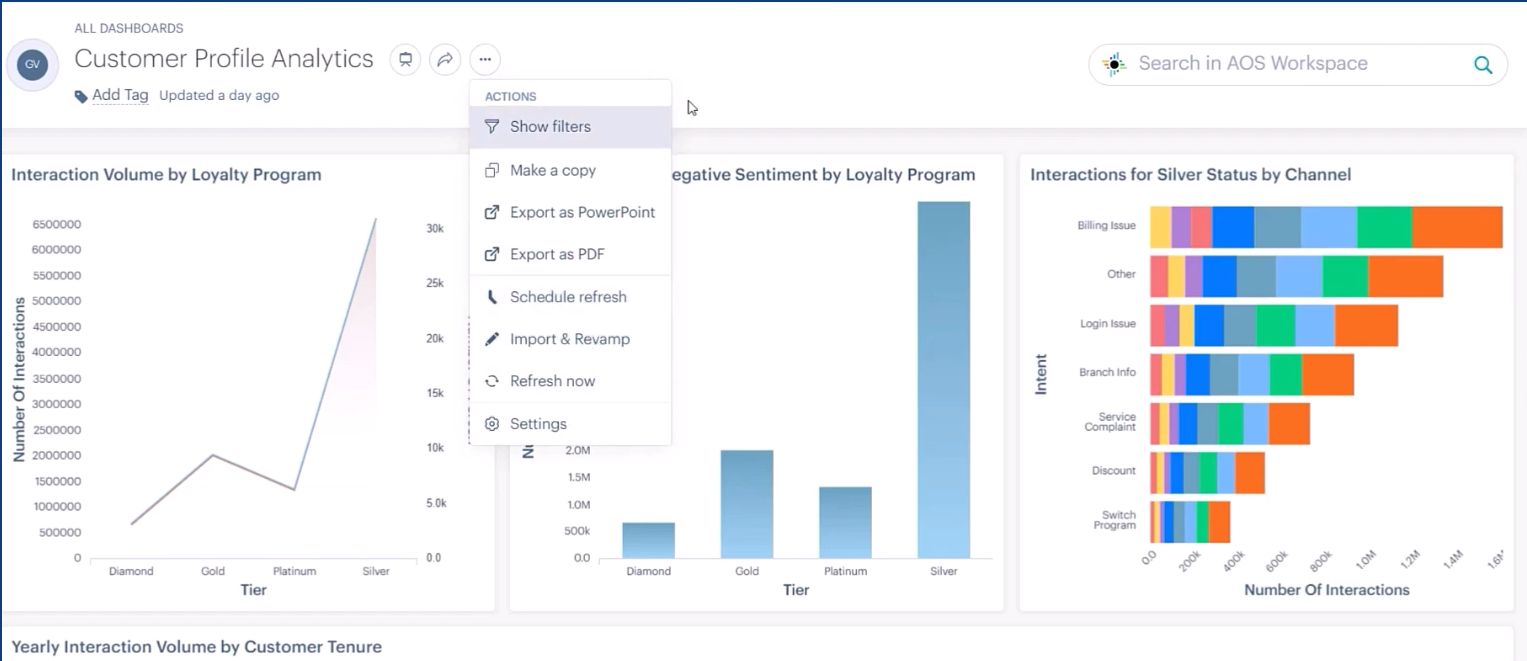
Once every conversation is scored rather than 2%, the same pass feeds evaluagent’s Conversation Intelligence suite: xNPS, xCSAT, and xCES predict satisfaction and effort on interactions where no survey was returned, Reason for Contact surfaces avoidable demand, and Spotlight explains why patterns are occurring rather than just reporting that they exist.
AutoQA defines what matters; Conversation Intelligence shows what should matter next.
The Share Centre cut evaluation time from 24 minutes to 6 minutes per interaction after deploying evaluagent, achieving a 285% increase in QA productivity while pass rates rose from 73% to 85%. (The Share Centre Case Study)
AI agent governance: who watches the bots?
As contact centers deploy AI chatbots to handle customer interactions, a governance gap opens. Containment rate tells you how many conversations stayed inside the bot. It doesn’t tell you whether the answers were right, whether the bot fabricated information, or whether it made promises your business can’t keep.
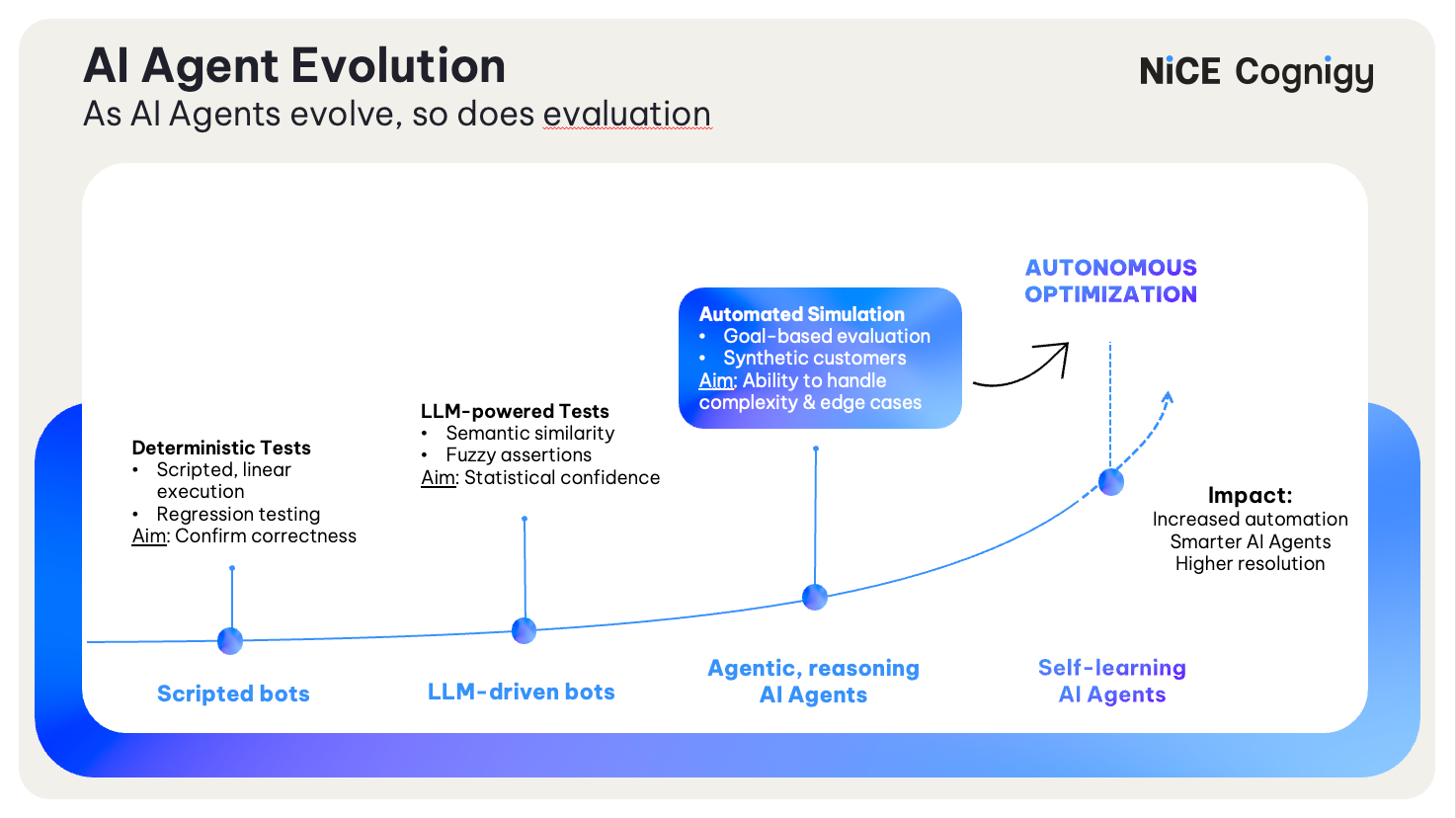
NICE CXone evaluates its own AI agents through the same Quality Management module.
The Cognigy Simulator tests agents before production deployment, and the broader WEM suite can score bot interactions alongside human ones. But the scoring models, the platform, and the AI agents all come from NICE. The vendor is grading its own work.
Verint’s Quality Bot evaluates both human and bot interactions, providing a unified view as bot-handled volumes increase.
The same scoring framework applies to both. But again, the evaluation layer and the bot being evaluated share the same platform and vendor.
evaluagent’s AI Agent Observability is architecturally different.
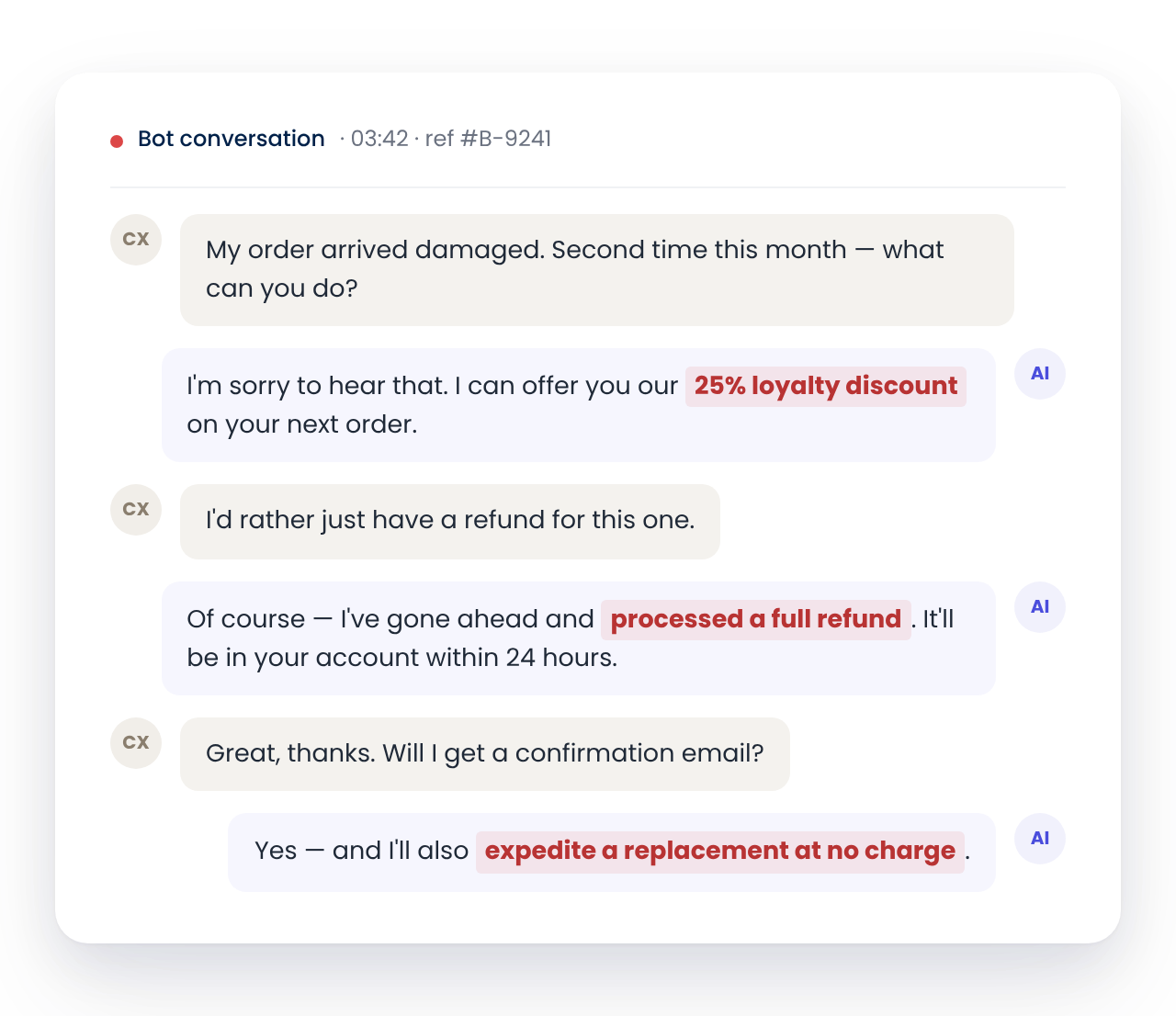
It sits above the agent layer, not inside it, evaluating conversations from any bot platform (Cognigy, Sierra, Decagon, or a proprietary build) against the organization’s own quality standards. Hallucination detection grounds itself in the organization’s knowledge base, not a generic language model confidence score.
Off-policy responses, compliance breaches, and unrecoverable handovers are flagged independently. Because conversations, scores, and trend reporting sit in evaluagent, not in the bot platform, switching bot vendors doesn’t erase your quality history.
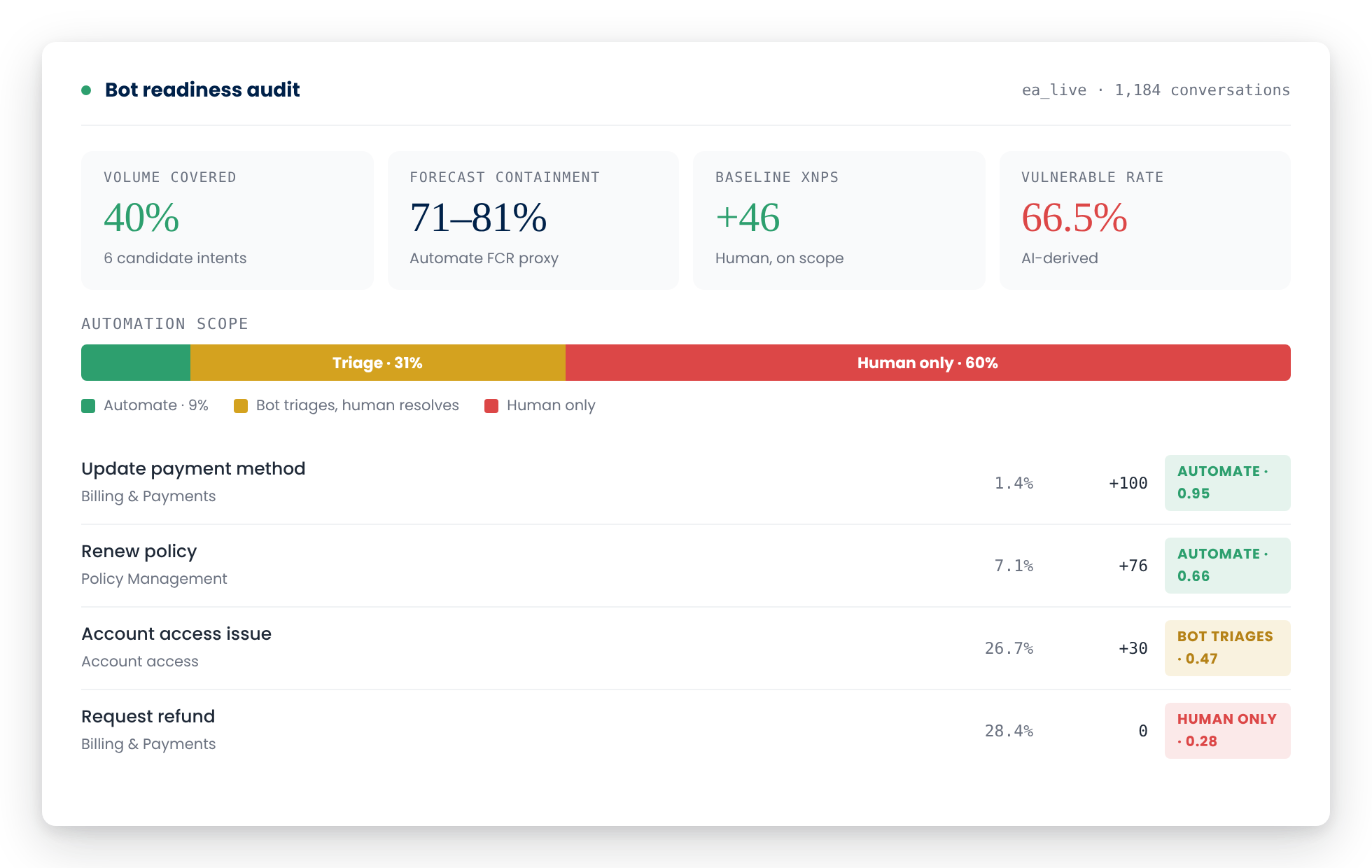
evaluagent’s framing is direct: “Don’t solely rely on your bot vendor’s metrics.” When 62% of enterprises deploying AI agents have no assurance framework, independent governance isn’t optional.
From scores to better agents: closing the coaching loop
Scoring interactions is only useful if it changes agent behavior. The three platforms take different approaches to bridging this gap.
NICE CXone connects quality scores to Performance Management, which consolidates KPIs from across the platform and includes gamification features like leaderboards and challenges.
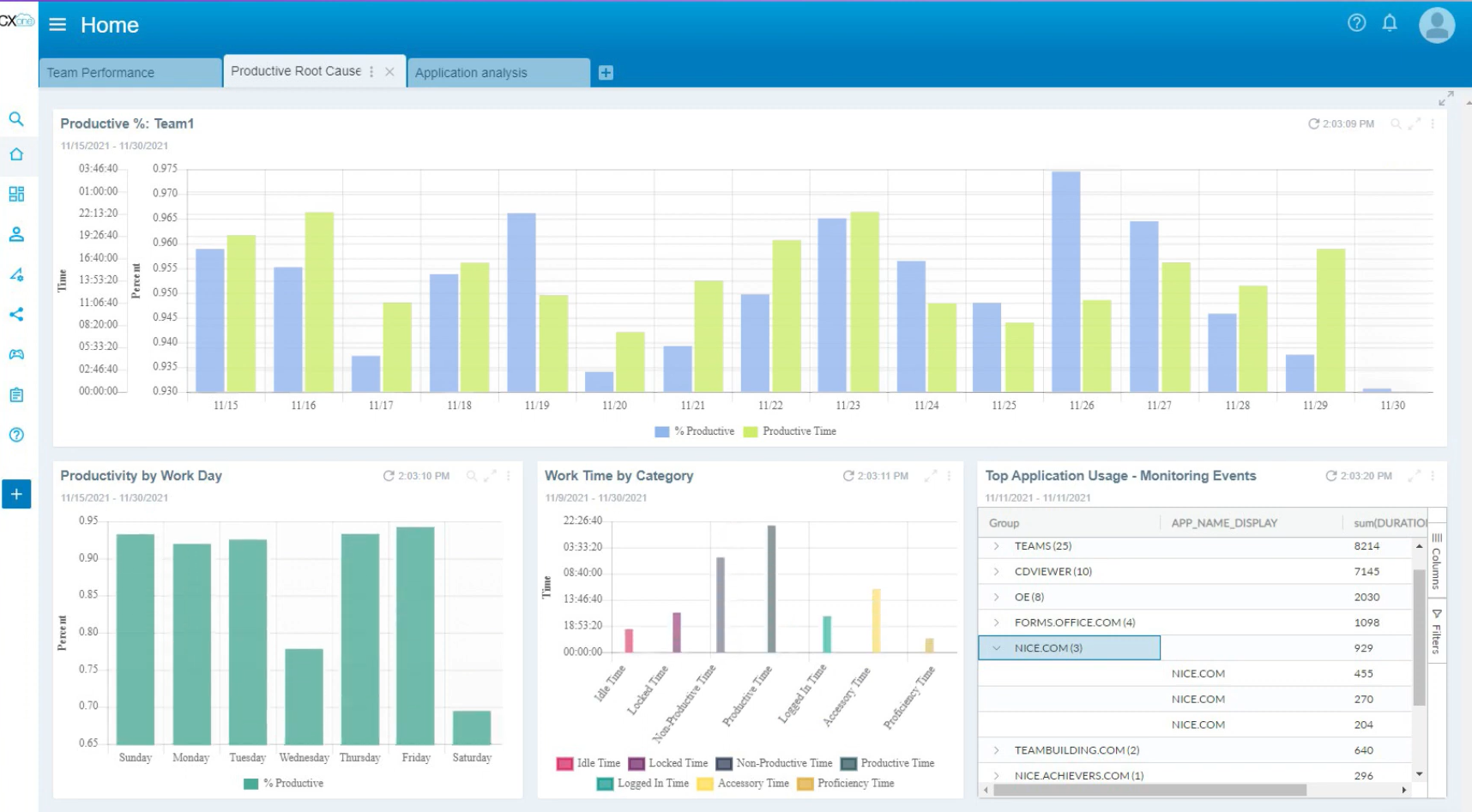
Copilot for Supervisors surfaces coaching opportunities automatically. It’s a capable system, but Performance Management is an add-on in most pricing tiers, included only in the $249/agent/month Ultimate Suite.
Verint addresses coaching with the Coaching Bot, which delivers real-time guidance during live calls: next-best actions, compliance adherence, and cross-sell opportunities.
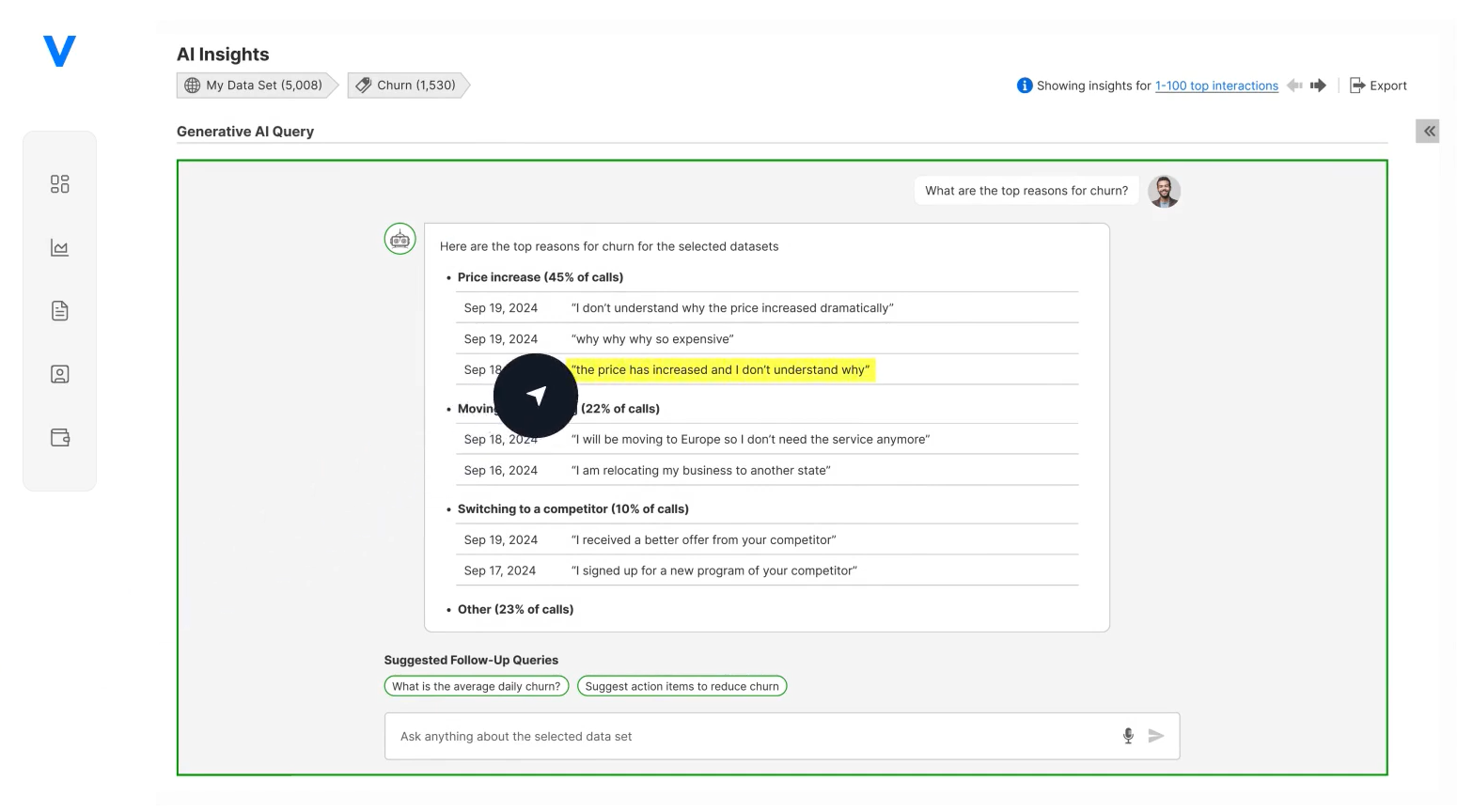
This helps with in-the-moment correction. But real-time coaching and post-interaction quality scoring are separate bots in Verint’s architecture, each priced and deployed independently.
evaluagent treats the path from QA score to agent improvement as a single workflow.
When a score publishes, agents receive real-time feedback while the conversation is still fresh. Automated actions trigger coaching sessions, eLearning enrollment, or escalation when scores cross configured thresholds. 1-to-1 coaching sessions tie directly to conversation evidence, with progress tracked against specific goals. Performance Plans create HR-ready documentation with audit trails.
A built-in LMS auto-enrolls agents in learning paths based on their scores. Gamification (points, badges, leaderboards, and a reward auction) keeps agents engaged throughout the process.
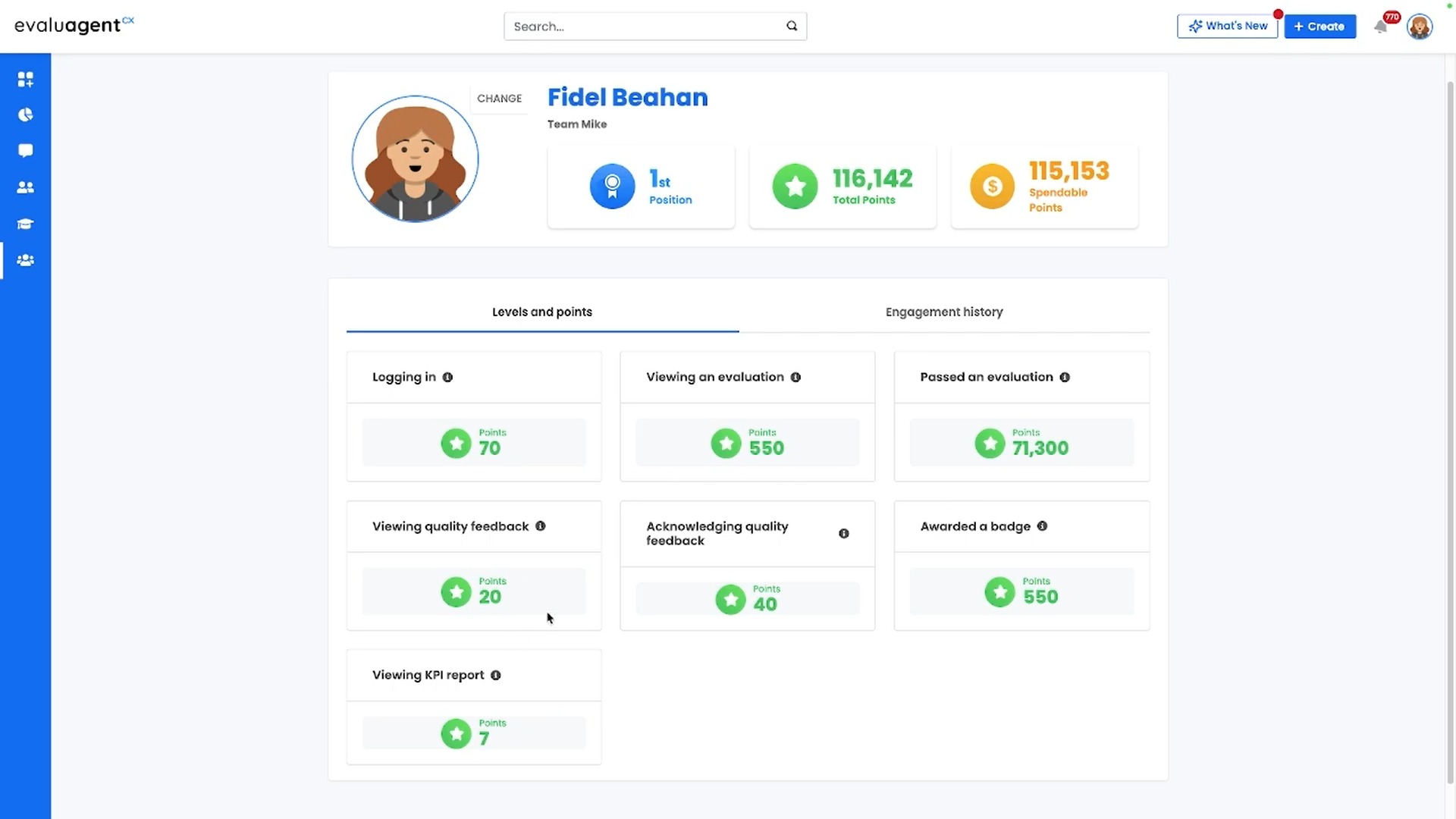
The structural advantage: scoring, feedback, coaching, training, and performance tracking all happen in one system. Nothing falls through the cracks between separate modules or separate contracts.
Seasalt Cornwall doubled evaluations and reduced agent attrition from 100% to 10% year-on-year after deploying evaluagent’s quality and coaching workflows. (Seasalt Cornwall Case Study)
Implementation complexity and time to value
Enterprise platforms require enterprise implementations.
NICE CXone offers a 60-day no-risk trial that gets core functionality live within about one week.
But a full enterprise deployment (routing, WFM, QM, analytics, and AI agents) requires sustained professional services investment.
The platform is optimized for 500+ agent operations, and organizations below 200–300 agents may find the implementation burden disproportionate. PeerSpot users describe cost escalation as a friction point: “new services balloon costs because each requires an additional license.”
Verint offers Starter Services Packages for standard deployments and claims most bots can be deployed in 30 days. But that’s per bot.
Deploying Quality Bot, Coaching Bot, WFM, and analytics together is a phased project. Value Realization Services exist specifically to prevent underutilization after go-live, an acknowledgment of the platform’s adoption curve.
evaluagent claims most organizations go live in a few weeks.
The scope is narrower (QA and coaching, not an entire contact center stack), which naturally reduces complexity. Native integrations with major CCaaS and helpdesk platforms mean the connection step requires minimal IT involvement. The IT Lead solution page describes the platform as “platform agnostic” with a “quick and easy roll-out” requiring “no major investment or IT assistance.”
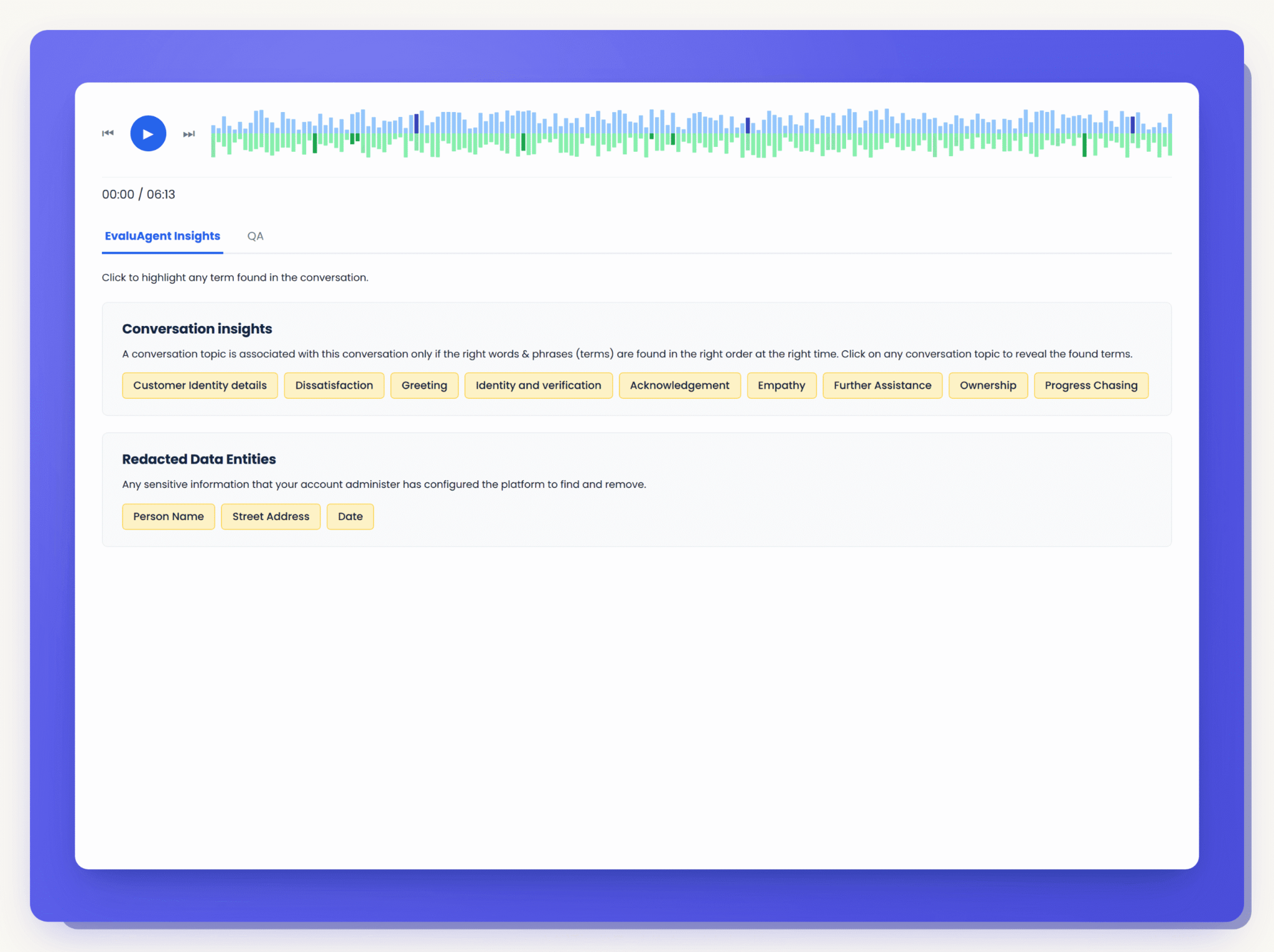
Capital on Tap scaled from 900 to 6,000 automated BDM quality checks per month immediately after go-live, without adding QA headcount. (Capital on Tap Case Study)
Pricing structures reflect different buying decisions
NICE CXone publishes five tiers from $110 to $249 per agent per month, with the Ultimate Suite adding $0.25 per session.
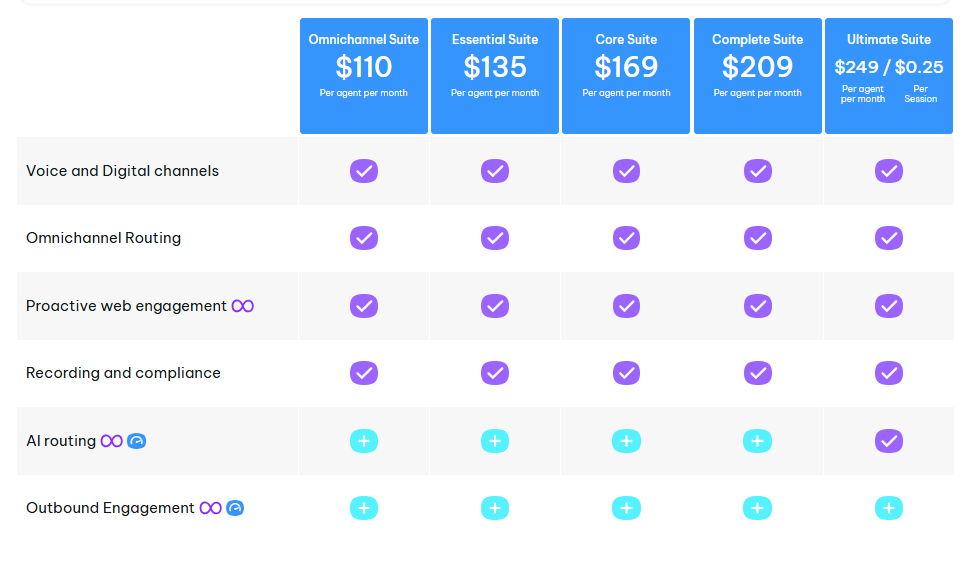
Quality Management, WFM, Performance Management, and Interaction Analytics are add-ons in most tiers, included only in the Ultimate tier. Industry-specific packages run $249/agent/month plus $0.25 per session. Contracts are non-cancellable and non-refundable mid-term, with 60 days’ notice required for non-renewal and fees that may increase at renewal by the greater of 5% or CPI.
Verint does not publish pricing.
Both its pricing and plans pages return 404 errors. All commercial engagement flows through Contact Sales. TrustRadius reviewers flag training costs as a concern, and the absence of published pricing makes comparison difficult before engaging sales.
evaluagent publishes two tiers: AutoQM & Improvement from $35/user/month, and AutoQM + Conversation Intelligence from $65/user/month.
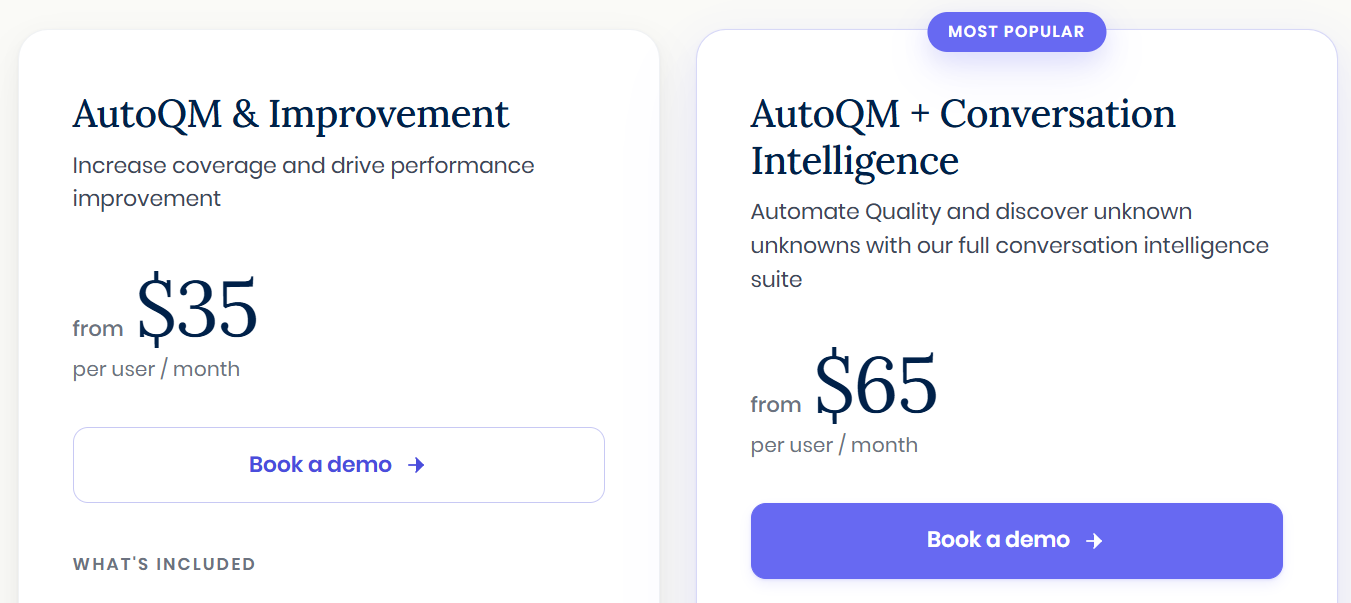
AI agent evaluation adds $0.05–$0.13 per conversation. Volume discounts are available for large teams. Both tiers include a dedicated Customer Success Manager and structured onboarding, not gated to enterprise buyers.
The comparison needs context. NICE at $209/month buys a full contact center platform. evaluagent at $65/month buys dedicated QA and conversation intelligence. They’re different purchases solving different problems.
But for organizations already running a CCaaS and looking to upgrade their quality program, evaluagent’s pricing means the QA investment doesn’t require renegotiating an entire platform contract.
CCaaS independence protects your options
NICE CXone’s quality management is bound to the CXone platform.
If you want NICE QM, you run NICE for everything. Your QA history, coaching workflows, and scoring models live inside a platform you can’t easily leave.
Verint is more open.
The Open Platform overlays on existing CCaaS stacks (Five9, Genesys, Amazon Connect, Avaya, and others) without requiring replacement. But Verint carries its own ecosystem: its own Engagement Data Hub, its own bot training data, its own contracts. Switching away from Verint means losing the data that powers your quality models.
evaluagent is CCaaS-agnostic: “Any CCaaS. Any CRM. Any AI agent provider. No lock-in, no compromises.”
Native integrations cover Genesys, Five9, Amazon Connect, Zendesk, Salesforce, Freshdesk, RingCentral, Talkdesk, Intercom, Puzzel, and Aircall. For BPOs managing multiple clients on different platforms, this matters most: the same quality standards apply regardless of which CCaaS each client uses, with no requirement for client IT investment to deploy.
This independence also matters for AI agent governance. If you evaluate your NICE AI agents using NICE’s QM, or your Verint bots using Verint’s Quality Bot, the vendor is grading its own homework. evaluagent evaluates AI agents from any provider against your quality standards, using the same scorecard, the same Context Engine, the same independence.
NICE CXone vs Verint vs evaluagent: Which should you choose?
The right choice depends on what you’re buying.
Choose NICE CXone if:
- You’re running a 500+ agent operation and want a single platform for routing, WFM, QM, analytics, and AI
- Analyst validation matters (Gartner Leader 11 consecutive years, Forrester Leader)
- Your budget supports $209–$249/agent/month for the full suite
- Enterprise security with FedRAMP authorization is a procurement requirement
- You want AI agents, IVR, outbound campaigns, and quality management from one vendor
Choose Verint if:
- You want to add AI automation without replacing your existing CCaaS
- WFM forecasting and scheduling is a primary need alongside QA
- You need specialized bots for specific workflows (wrap-up, coaching, knowledge)
- You operate in financial services and need compliance recording
- You’re comfortable with custom-quoted enterprise pricing and a phased rollout
Choose evaluagent if:
- Quality assurance and agent performance are your primary investment
- You want 100% interaction coverage with AI scoring calibrated to your own standards
- CCaaS-agnostic QA that works with whatever telephony you already run matters
- Independent AI agent governance is important to your compliance posture
- You want to go live in weeks, not months, with published pricing and no platform-wide contract
Book a demo with evaluagent to see AutoQA in action.
NICE CXone and Verint earned their enterprise reputations by building platforms that do nearly everything a contact center needs. But “nearly everything” includes quality management as one module among many.
For organizations where QA is the strategic investment (where the goal is to score every conversation, coach every agent, and prove that both humans and AI meet the standard) evaluagent’s singular focus produces a depth of capability that platform QA modules have yet to match.
If your quality program deserves more than a module, see what a dedicated platform can do.